
George Joseph
LPC, LMHCFlorida · 30 yrs exp
Experienced counselor focused on lasting change
Stress, Anxiety · Relationship · Trauma and abuse · Depression · +14 more
Read profileA plain-language guide to therapist profiles
Therapist listings are provided by BetterHelp. We will earn a commission at no additional cost to you if you sign up through our links.
This page presents therapist profiles grouped under the listed location Florida so you can compare professionals who list depression among their focus areas. Review each profile to compare approaches, academic degrees, languages, and experience, then browse profiles to learn more and confirm permission to work together.
Florida · 30 yrs exp
Experienced counselor focused on lasting change
Stress, Anxiety · Relationship · Trauma and abuse · Depression · +14 more
Read profile
Florida · 13 yrs exp
Collaborative, practical counseling for life challenges
Stress, Anxiety · Self esteem · Depression · Coping with life changes · +7 more
Read profile
Florida · 24 yrs exp
Compassionate counselor focused on everyday change
Stress, Anxiety · Grief · Depression · Coping with life changes · +13 more
Read profile
Florida · 6 yrs exp
Collaborative social worker focused on practical change
Stress, Anxiety · Family · Trauma and abuse · Parenting · +8 more
Read profile
Florida · 25 yrs exp
Experienced counselor for depression and trauma
Stress, Anxiety · Trauma and abuse · Career · Coping with life changes · +2 more
Read profile
Florida · 17 yrs exp
Practical, person-centered counseling for everyday struggles
Stress, Anxiety · Parenting · Self esteem · Compassion fatigue · +11 more
Read profile
Florida · 17 yrs exp
Experienced LCSW focused on practical healing
Addictions · LGBT · Relationship · Family · +5 more
Read profile
Florida · 31 yrs exp
Compassionate LCSW helping people move forward
Stress, Anxiety · Relationship · Self esteem · Depression · +1 more
Read profile
Florida · 14 yrs exp
Compassionate, practical therapy for depression and loss
Stress, Anxiety · Trauma and abuse · Grief · Self esteem · +1 more
Read profile
Florida · 10 yrs exp
Compassionate clinician for practical change
Stress, Anxiety · Relationship · Trauma and abuse · Depression · +1 more
Read profile
Florida · 20 yrs exp
Experienced LCSW offering steady support
Stress, Anxiety · Addictions · Relationship · Grief · +9 more
Read profile
Florida · 26 yrs exp
Compassionate counselor for stress and depression
Stress, Anxiety · Family · Trauma and abuse · Self esteem · +1 more
Read profile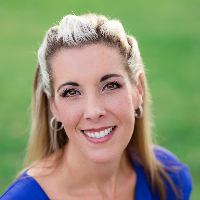
Florida · 15 yrs exp
Practical, compassionate therapy for life changes
Stress, Anxiety · Self esteem · Depression · Coping with life changes · +11 more
Read profile
Florida · 12 yrs exp
Compassionate, practical counseling for life's challenges
Stress, Anxiety · LGBT · Relationship · Grief · +10 more
Read profile
Florida · 16 yrs exp
Compassionate practical therapy for mood and life change
Stress, Anxiety · Trauma and abuse · Depression · Coping with life changes · +7 more
Read profile
Florida · 11 yrs exp
Compassionate counselor who helps people move forward
Stress, Anxiety · Self esteem · Depression · Addictions · +5 more
Read profile
Florida · 20 yrs exp
Compassionate counselor blending evidence-based approaches
Stress, Anxiety · Relationship · Trauma and abuse · Intimacy-related issues · +13 more
Read profile
Florida · 11 yrs exp
Compassionate counseling for real life challenges
Stress, Anxiety · Eating · Self esteem · Depression · +7 more
Read profile
Florida · 10 yrs exp
Compassionate LCSW for practical coping support
Stress, Anxiety · Addictions · Trauma and abuse · Self esteem · +14 more
Read profile
Florida · 11 yrs exp
Strengths-focused LCSW for practical change
Addictions · Relationship · Self esteem · Depression · +9 more
Read profile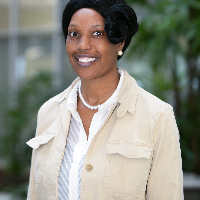
Florida · 20 yrs exp
Practical therapy for everyday struggles
Stress, Anxiety · Addictions · Relationship · Grief · +10 more
Read profile
Florida · 35 yrs exp
Practical, solution-focused LCSW with long experience
Grief · Bipolar · Depression · Coping with life changes · +8 more
Read profile
Florida · 16 yrs exp
Therapist blending practical skills and compassion
Stress, Anxiety · Addictions · Relationship · Anger · +8 more
Read profile
Florida · 24 yrs exp
Collaborative counselor focused on steady progress
Stress, Anxiety · Relationship · Trauma and abuse · Self esteem · +16 more
Read profileWhen you are exploring care for low mood, loss of interest, tiredness, or feelings of hopelessness, it helps to know how these experiences commonly affect work, relationships, and everyday functioning. Depression often shows up as difficulty getting motivated, trouble concentrating at work, withdrawing from people you care about, and feeling drained by tasks that used to feel manageable. You may notice changes in sleep and appetite or find it harder to enjoy activities that once brought pleasure. These are concerns to describe when you read profiles and when you talk with a therapist about how they approach treatment.
You do not need to have an explanation for why these changes began to start seeking support, but naming the ways your mood affects specific parts of life will help you match with profiles that describe relevant experience. Keep in mind that the presence of a therapist in the listed location Florida is a way of grouping profiles by region. That grouping does not prove an office presence, physical proximity, or that a clinician has active permission to practice with you in that location. Always check the individual profile and confirm the therapist is able to work with you where you live.
The information on each profile may include degrees such as PhD, PsyD, MD, MA, or MSW and may refer to professional licenses or registrations. It is important to understand that an academic degree is not the same as a current professional license. A PhD or PsyD describes the degree someone earned, while terms that indicate license or registration describe their legal permission to provide care. A degree alone does not establish that a clinician currently has permission to practice in Florida or any other state. When a profile mentions credentials, look for clear statements about licensure and then verify those claims through the therapist or state licensing board if you want confirmation.
Because profiles are grouped under the listed location Florida, use each profile as a starting point rather than as definitive proof of local practice. Profiles do not necessarily document office addresses, license numbers, or exact service areas unless the clinician has chosen to provide that information. You should ask the therapist directly about their licensure and whether they are permitted to work with you in the place where you live.
When you review profiles, consider specific questions you can ask a clinician to assess fit. Ask whether they list depression as a primary focus or as one of several concerns, and whether they describe experience working with the kinds of challenges you face, such as low mood, loss of interest, exhaustion, or relationship strain. Ask which approaches they list and how they typically apply those approaches in practice. For example, some profiles may list cognitive behavioral therapy, interpersonal approaches, psychodynamic perspectives, mindfulness-informed care, or trauma-informed work; in each case ask how that approach might address your current concerns.
Also ask about relevant experience with life contexts that matter to you - for example workplace stress, caregiving responsibilities, medical illness, or the effects of grief. If you have preferences for a collaborative versus directive style, or if you prefer shorter-term symptom-focused work versus longer-term reflective therapy, ask the clinician how they describe their style. Concrete questions include how they track progress, how they approach safety planning if suicidal thoughts occur, and what they consider when recommending coordination with other professionals. Remember that therapists on this platform do not prescribe medication; a primary care doctor or psychiatrist can discuss medical options and any pharmacological questions you may have.
If you are considering online or remote care with someone listed under Florida, there are practical topics to cover before you begin. Confirm whether the therapist has permission to work with you in the place where you live and whether they provide services in the format you prefer. Discuss how they handle scheduling, cancellations, and emergency contacts in case of urgent needs. If you think about medication as part of care, plan how the therapist and any prescribing clinician would coordinate, and ask for referrals to medical professionals if that seems appropriate.
It is also important to discuss how you and the clinician will address any safety concerns. If you are thinking about suicide, contact the 988 Suicide and Crisis Lifeline for immediate support and let any prospective therapist know this history so you can learn how they approach crisis planning. Ask how they document care, how they protect your information in their practice systems, and how to reach them between sessions for urgent matters. Clear communication about these topics before starting will help you make an informed choice about which profile might be the best match for your needs.
Comparing profiles involves looking at the concrete elements that matter to you. Read how each clinician describes their focus areas and whether depression appears as a central concern or as one of multiple specialties. Check how they list their academic degrees and any mention of licensure status, recognizing that a degree such as PhD, PsyD, MD, MA, or MSW is different from a current professional license. If fluency in a particular language matters, look for profiles that list languages spoken and consider asking about comfort discussing sensitive topics in that language.
Pay attention to how clinicians describe their therapeutic style in narrative terms. Does a profile suggest a more structured, skills-oriented approach or a more exploratory, insight-focused process? Do they mention working with specific life stages, cultural backgrounds, or occupational issues that mirror your situation? Think about the concrete comparison questions you can use: Do they list depression as a focus and describe relevant experience? Which approaches do they list and how do they explain using them? What degrees and licensing statements are present, and do they match the legal requirements for your location? What languages are offered, and what tone does the profile convey about therapeutic style? Use those questions to prioritize profiles you want to follow up with and then contact clinicians to confirm permission to work together in your listed location.
Choosing a clinician is a personal decision and a process of matching what you need with how a clinician describes their work. Profiles grouped under the listed location Florida are a place to begin that search. Review profiles carefully, ask the concrete questions outlined here, and verify licensure and permission to practice in your location before starting care. If you are in crisis or thinking about suicide, call or text 988 right away to reach the Suicide and Crisis Lifeline for immediate help.
Bipolar
1563 therapists
Depression
4396 therapists
Grief
2733 therapists
Guilt and Shame
2715 therapists
Isolation / Loneliness
2562 therapists
Midlife Crisis
1455 therapists
Mood Disorders
2132 therapists
Postpartum Depression
945 therapists
Seasonal Affective Disorder (SAD)
1145 therapists
Self Esteem
3578 therapists
Sleeping Disorders
912 therapists
Stress & Anxiety
4255 therapists
Trauma and Abuse
3145 therapists