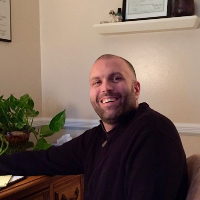
Michael Pfisterer
LCSWSouth Carolina · 14 yrs exp
Practical, goal-focused therapy for depression and stress
Stress, Anxiety · Parenting · Depression · Addictions · +14 more
Read profileA plain-language guide to therapist profiles
Therapist listings are provided by BetterHelp. We will earn a commission at no additional cost to you if you sign up through our links.
Browse profiles of clinicians who list depression under the listed location South Carolina. Use the profiles to compare focus areas, approaches, academic degrees, languages, and questions to ask before reaching out.
South Carolina · 14 yrs exp
Practical, goal-focused therapy for depression and stress
Stress, Anxiety · Parenting · Depression · Addictions · +14 more
Read profile
South Carolina · 27 yrs exp
Practical, experienced counselor focused on progress
Stress, Anxiety · Grief · Parenting · Depression · +3 more
Read profile
South Carolina · 16 yrs exp
Warm, practical therapy focused on daily change
Stress, Anxiety · Relationship · Family · Parenting · +14 more
Read profile
South Carolina · 21 yrs exp
Practical guidance for steady change
Stress, Anxiety · Trauma and abuse · Self esteem · Depression · +12 more
Read profile
South Carolina · 20 yrs exp
Calm, practical therapy for everyday struggles
Stress, Anxiety · Trauma and abuse · Anger · Self esteem · +10 more
Read profile
South Carolina · 21 yrs exp
Compassionate clinician with lived experience
Stress, Anxiety · Trauma and abuse · Self esteem · Depression · +16 more
Read profile
South Carolina · 20 yrs exp
Compassionate, practical support for change
Stress, Anxiety · Relationship · Anger · Self esteem · +9 more
Read profile
South Carolina · 10 yrs exp
Compassionate, practical counselor for life changes
Stress, Anxiety · Relationship · Self esteem · Career · +8 more
Read profile
South Carolina · 22 yrs exp
Compassionate, practical counseling for everyday life
Stress, Anxiety · Addictions · Trauma and abuse · Grief · +10 more
Read profile
South Carolina · 9 yrs exp
Compassionate counselor focused on practical change
Stress, Anxiety · Addictions · Relationship · Grief · +11 more
Read profile
South Carolina · 15 yrs exp
Careful, practical counseling for life changes
Stress, Anxiety · Self esteem · Career · Depression · +11 more
Read profile
South Carolina · 8 yrs exp
Compassionate counselor for everyday struggles
Stress, Anxiety · Addictions · Relationship · Depression · +11 more
Read profile
South Carolina · 20 yrs exp
Person-centered counselor helping people find practical change
Stress, Anxiety · Trauma and abuse · Self esteem · Depression · +16 more
Read profile
South Carolina · 12 yrs exp
Licensed social worker focused on practical change
Stress, Anxiety · Relationship · Family · Parenting · +10 more
Read profile
South Carolina · 8 yrs exp
Practical therapy focused on lasting change
Stress, Anxiety · Trauma and abuse · Self esteem · Coping with life changes · +11 more
Read profile
South Carolina · 5 yrs exp
Compassionate, practical therapy for life's struggles
Stress, Anxiety · Addictions · Self esteem · Coping with life changes · +12 more
Read profile
South Carolina · 25 yrs exp
Compassionate, experienced clinical social worker
Stress, Anxiety · Addictions · Trauma and abuse · Depression · +1 more
Read profile
South Carolina · 9 yrs exp
Practical therapy for mood and life challenges
Stress, Anxiety · Addictions · Trauma and abuse · Self esteem · +14 more
Read profile
South Carolina · 9 yrs exp
Compassionate, practical therapy for life's challenges
Stress, Anxiety · Trauma and abuse · Anger · Self esteem · +7 more
Read profile
South Carolina · 6 yrs exp
Supportive guidance for rebuilding balance
Stress, Anxiety · Parenting · Self esteem · Depression · +1 more
Read profile
South Carolina · 36 yrs exp
Practical, solution-focused therapy for everyday struggles
Stress, Anxiety · Addictions · Relationship · Self esteem · +16 more
Read profile
South Carolina · 19 yrs exp
Practical, strengths-based therapy for everyday struggles
Stress, Anxiety · Relationship · Parenting · Self esteem · +1 more
Read profile
South Carolina · 5 yrs exp
Calm guidance for practical emotional change
Stress, Anxiety · LGBT · Trauma and abuse · Depression · +13 more
Read profileIf you are exploring help for low mood, you may be noticing patterns such as persistent sadness, loss of interest in activities you used to enjoy, tiredness that does not lift, or a sense of hopelessness about the future. Those experiences can affect concentration, your performance at work, and the quality of your relationships without meaning a particular diagnosis applies. How those feelings show up and how intense they feel vary from person to person, and the words you use to describe them matter when you look at profiles and speak with a clinician.
When you read a profile, look for language that resonates with your experience. Some clinicians describe work with mood concerns in general terms, while others mention specific themes such as coping with grief, managing sleep disruption, or addressing motivation and energy. Profiles list specialties that clinicians report, but that listing does not itself establish the exact services they offer to every population or the contexts in which they practice. You should expect to discuss your particular symptoms, how they affect your daily life, and your short- and long-term goals directly with any clinician whose profile interests you.
Profiles on this site are grouped under the listed location South Carolina, which helps you find clinicians associated with that area. A listed location on a profile does not guarantee an office address, proximity, or that a clinician has permission to provide care to every resident of South Carolina. Before making decisions, check the individual profile for details and confirm with the clinician whether they are permitted to work with you where you live.
Academic degrees and professional licenses are different things. Degrees such as PhD, PsyD, MD, MA, and MSW are academic accomplishments that indicate study in a field. Professional licenses or registrations are granted by state boards and are what give a clinician permission to practice in particular roles and locations. A degree alone does not establish current permission to practice. When you review a profile, look for clear statements about the clinician's licensure or registration and ask about the geographic scope of their permission to work with clients. It is reasonable to request the name of the licensure body and to confirm that their authorization covers work with people in South Carolina if that matters to you.
When you reach out to a clinician, prepare specific questions that let you compare how different profiles align with your needs. Ask how the clinician conceptualizes mood-related concerns and what kinds of problems they commonly work with. If particular approaches matter to you, ask whether the clinician lists those approaches and what that means in practice. For example, you might say, "I see you list cognitive-behavioral work and mindfulness among your approaches - how do you typically integrate those when you work with mood difficulties?" or "You list EMDR among your approaches - how do you describe that approach to someone new to therapy?" These questions help you hear how the clinician frames their work without assuming training or certification.
Also ask about the clinician's experience with issues that matter to you, such as coping with chronic stress, changes in appetite or sleep, or the impact of mood on relationships. If cultural background, identity, or language access is important, ask whether they have experience working with people who share those characteristics and which languages they list on their profile. Be aware that a profile that lists a focus on depression does not necessarily mean the clinician treats children, couples, or families; ask directly about who they typically work with and whether they are comfortable and permitted to work with your particular situation.
If you are considering remote or digitally mediated care, discuss practical matters before beginning so you know what to expect. You can ask where the clinician is licensed to practice and whether that license permits them to work with you in the state where you are located. Ask how they handle documentation, what kinds of contact are allowed between sessions, and how they manage emergencies or urgent concerns. These are concrete questions that help you understand the working relationship without relying on assumptions from a profile alone.
Keep in mind that clinicians listed on this site do not prescribe medication. If you are considering a medical approach in addition to psychotherapy, a primary care doctor, psychiatrist, or other medical provider can discuss medication options and whether a referral or evaluation is appropriate. If you are having thoughts of harming yourself or are in immediate danger, contact local emergency services right away and use the 988 Suicide and Crisis Lifeline for anyone thinking about suicide. Reaching out for urgent help is important, and discussing safety planning with a clinician is an appropriate topic to raise early in conversations.
Comparing profiles effectively means looking beyond a single label. Start by reading the clinician's description of their focus areas and how they describe their approach in their own words. Some profiles will name particular approaches; you can frame questions that explore what those terms mean in everyday practice. For instance, ask how a clinician adapts an approach when someone is experiencing low energy or difficulty concentrating, and whether they prioritize short-term symptom management, relational work, or a combination of goals.
Language access and cultural perspective are practical comparison points. If you prefer to be seen in a language other than English, look for profiles that list those languages and ask about the clinician's comfort and experience conducting therapy in that language. When you review credentials, note the academic degree and then ask about the current license or registration that allows practice. Request clarification when the profile lists an academic degree such as PhD, PsyD, MD, MA, or MSW, and ask which professional license or registration the clinician currently holds and in which states that permission applies.
Style and rapport are sometimes the most decisive factors. Read each profile to get a sense of tone: some clinicians write in a direct, structured way, while others emphasize empathy, exploration, or collaboration. You can ask for a brief phone or video conversation to get a sense of communication style before making a longer commitment. Remember that a profile is a starting point. Discuss your goals, preferences, and any practical constraints with the clinician so you can determine whether the style and scope of their work fit your needs.
Use the listed location to narrow your search, but verify details on individual profiles and confirm permission to work together in your location. Discuss the clinician's approaches and experience with specific examples from your life, and clarify how their academic degrees relate to their professional permission to practice. If you are weighing medical options, speak with a doctor about medication. If you are in crisis or thinking about suicide, call or text the 988 Suicide and Crisis Lifeline or dial 988 immediately for support. Profiles are tools to help you find clinicians to speak with, and clear, direct questions will help you make informed choices about who to contact.
Bipolar
1563 therapists
Depression
4396 therapists
Grief
2733 therapists
Guilt and Shame
2715 therapists
Isolation / Loneliness
2562 therapists
Midlife Crisis
1455 therapists
Mood Disorders
2132 therapists
Postpartum Depression
945 therapists
Seasonal Affective Disorder (SAD)
1145 therapists
Self Esteem
3578 therapists
Sleeping Disorders
912 therapists
Stress & Anxiety
4255 therapists
Trauma and Abuse
3145 therapists