
Travis Walker
LPCIdaho · 5 yrs exp
Skilled clinician guiding practical change
Stress, Anxiety · Addictions · Relationship · Depression · +6 more
Read profileA plain-language guide to therapist profiles
Therapist listings are provided by BetterHelp. We will earn a commission at no additional cost to you if you sign up through our links.
Browse profiles of clinicians listed in Idaho who identify depression among their areas of focus. You can compare credentials, therapeutic approaches, languages, and experience to decide who to contact.
Use the listing grid below to open individual profiles and learn more about each clinician before reaching out to discuss whether they can work with you in your location.
Idaho · 5 yrs exp
Skilled clinician guiding practical change
Stress, Anxiety · Addictions · Relationship · Depression · +6 more
Read profile
Idaho · 6 yrs exp
Calm, pragmatic support for overwhelmed adults
Stress, Anxiety · Trauma and abuse · Anger · Self esteem · +1 more
Read profile
Idaho · 8 yrs exp
Compassionate counselor focused on practical change
Stress, Anxiety · Addictions · Self esteem · Depression · +9 more
Read profile
Idaho · 5 yrs exp
Compassionate, practical therapy for depression
Stress, Anxiety · Addictions · Relationship · Trauma and abuse · +11 more
Read profile
Idaho · 27 yrs exp
Steady, practical support for life changes
Stress, Anxiety · Family · Trauma and abuse · Grief · +11 more
Read profile
Idaho · 40 yrs exp
Experienced counselor who adapts to you
Stress, Anxiety · LGBT · Relationship · Trauma and abuse · +16 more
Read profile
Idaho · 13 yrs exp
Calm, practical therapy for everyday life
Stress, Anxiety · Addictions · Trauma and abuse · Depression · +7 more
Read profile
Idaho · 37 yrs exp
Experienced LCSW focusing on practical support
Stress, Anxiety · Relationship · Trauma and abuse · Grief · +10 more
Read profile
Idaho · 6 yrs exp
Support for stress, addiction, and depression
Stress, Anxiety · Addictions · Self esteem · Depression · +1 more
Read profile
Idaho · 3 yrs exp
Practical support for mood and life changes
Stress, Anxiety · Self esteem · Depression · Coping with life changes · +1 more
Read profile
Idaho · 19 yrs exp
Experienced counselor with a practical focus
Stress, Anxiety · Addictions · Trauma and abuse · Self esteem · +11 more
Read profile
Idaho · 17 yrs exp
Compassionate, practical support for life changes
Stress, Anxiety · Grief · Parenting · Depression · +8 more
Read profile
Idaho · 9 yrs exp
Therapist focused on practical change and meaning
Stress, Anxiety · Relationship · Family · Parenting · +13 more
Read profile
Idaho · 12 yrs exp
Experienced LICSW supporting depression and life changes
Stress, Anxiety · Trauma and abuse · Self esteem · Bipolar · +14 more
Read profile
Idaho · 15 yrs exp
Practical, approachable individual therapy
Stress, Anxiety · Depression · ADHD · Grief · +5 more
Read profile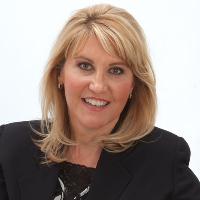
Idaho · 28 yrs exp
Practical, experienced counseling for life stressors
Stress, Anxiety · Relationship · Depression · Coping with life changes · +8 more
Read profile
Idaho · 47 yrs exp
Experienced counselor focusing on personal strengths
Stress, Anxiety · Trauma and abuse · Parenting · Anger · +6 more
Read profile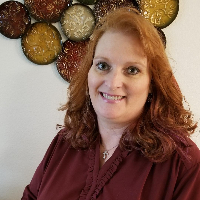
Idaho · 9 yrs exp
Practical, compassionate therapy for everyday challenges
Stress, Anxiety · Trauma and abuse · Anger · Depression · +13 more
Read profile
Idaho · 8 yrs exp
Compassionate counselor focused on practical skills
Stress, Anxiety · Trauma and abuse · Grief · Sleeping · +13 more
Read profile
Idaho · 12 yrs exp
Compassionate counselor guiding practical change
Stress, Anxiety · Depression · Coping with life changes · Trauma and abuse
Read profile
Idaho · 6 yrs exp
Collaborative therapy focused on values and connection
Stress, Anxiety · Addictions · Relationship · Depression · +9 more
Read profile
Idaho · 9 yrs exp
Practical, steady support for depression and life change
Stress, Anxiety · Family · Parenting · Self esteem · +13 more
Read profile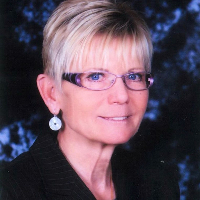
Idaho · 29 yrs exp
Practical counselor for life transitions
Stress, Anxiety · Relationship · Family · Grief · +10 more
Read profile
Idaho · 10 yrs exp
Practical counseling for life transitions
Stress, Anxiety · Relationship · Family · Career · +12 more
Read profileWhen you are researching help for depression, you are likely noticing patterns in how you feel and function. Many people report low mood that lasts longer than expected, a loss of interest in activities that once felt enjoyable, persistent tiredness, and feelings of hopelessness or discouragement. These experiences can make it harder to concentrate at work, reduce energy for household tasks, and strain friendships and family relationships. You may find that social invitations feel overwhelming or that small tasks require an unusual amount of effort. Describing these impacts clearly to a clinician helps them understand how depression is affecting your daily life rather than serving as a formal diagnosis.
It can be useful to track when symptoms intensify or ease, what situations seem to trigger changes, and how your sleep and appetite are affected. This kind of information gives you and a prospective clinician a starting point for discussing goals, coping strategies, and practical steps to manage day-to-day functioning. If you are having thoughts of harming yourself or are worried about immediate risk, contacting the 988 Suicide and Crisis Lifeline is an important step for urgent support. For concerns about medication or medical aspects of mood, a physician or psychiatrist can discuss potential medical options with you, since clinicians on this directory do not prescribe medication.
When you see a profile grouped under Idaho, understand that the listed location indicates where the clinician has chosen to be associated in the directory. It is not definitive evidence of an office location, a current license in that state, or automatic permission to practice with you. Before relying on any single profile, you should open the profile and confirm whether the clinician has permission to work with you in your state or locality. Licensing and permission to practice can change over time and may be different for in-person and remote services.
Be mindful of the difference between academic degrees and professional licenses. Academic credentials such as PhD, PsyD, MD, MA, and MSW describe a person’s educational background. They do not, on their own, establish current authorization to provide clinical care. Licenses, registrations, or certifications issued by state boards or regulatory bodies are the markers that indicate legal permission to practice in many settings. When evaluating a profile, look for information about both degrees and current licensing status, and ask the clinician directly if you need confirmation of their authorization to work with you where you live.
When you contact a clinician from an Idaho profile, having clear questions prepared can help you assess whether their style and focus match your needs. Ask how they typically work with people experiencing low mood and loss of interest, and request examples of strategies they might discuss in the context of your concerns. If a clinician lists approaches such as cognitive behavioral techniques, interpersonal work, or mindfulness-based ideas, remember that the listing indicates areas they use with some clients rather than proof of specialized certification. You may ask how long they have used a given approach and what kinds of situations they find it helpful for.
Experience matters in different ways for different people. You might want to know whether a clinician has worked with adults facing similar work or relationship impacts, whether they have experience addressing co-occurring stressors like grief or chronic health concerns, or how they support people who report tiredness and low motivation. Clarify whether the clinician treats a wide range of age groups or focuses on particular populations, because a listed topic does not establish that the clinician treats children, couples, or families. These direct questions help you gauge fit without relying on assumptions.
If you are considering remote work with a clinician listed in Idaho, it helps to cover logistics and expectations early in the conversation. Ask whether they are permitted to provide care across state lines or within your state, and whether any licensing or regulatory considerations affect the format of their services. Discuss how they handle emergencies or crises and confirm how to reach local services if an urgent situation arises. Make time to talk about session structure, how progress is reviewed, and what you might reasonably expect from the early weeks of collaboration without assuming fixed outcomes.
Because clinicians on this platform do not prescribe medication, talk with your primary care physician or a psychiatrist if you are interested in medical options for mood management. Coordinate care plans as appropriate, and ask the clinician how they prefer to communicate with other providers if you want an integrated approach. Be transparent about medications you already take, previous treatments that were helpful or unhelpful, and any medical conditions that could affect mood. Clear upfront discussion can reduce misunderstandings and let you decide whether to move forward with a particular clinician.
As you review profiles grouped under Idaho, look for concrete differences that matter to you. Focus areas indicate topics a clinician commonly addresses but do not guarantee the full scope of care. If language access is important, seek profiles that list the languages you prefer and ask about fluency and comfort conducting clinical conversations in those languages. Pay attention to how clinicians describe their therapeutic style - whether they emphasize practical, skills-based work, relational exploration, or a blended approach. This language can help you predict whether their manner of working will feel compatible.
Consider credentials and experience together rather than relying on academic titles alone. A degree such as a PhD or MSW tells you about training background, while statements about licensure or registrations indicate legal standing. If a profile mentions particular populations or life stages they commonly work with, ask for examples of how they adapt their approach to different needs. Finally, trust your judgment about tone and clarity when reading profiles. If a clinician’s profile addresses the kinds of concerns you have and answers your preliminary questions in a way that feels respectful and practical, you may choose to reach out to discuss next steps and confirm their permission to work with you in your location.
Bipolar
1563 therapists
Depression
4396 therapists
Grief
2733 therapists
Guilt and Shame
2715 therapists
Isolation / Loneliness
2562 therapists
Midlife Crisis
1455 therapists
Mood Disorders
2132 therapists
Postpartum Depression
945 therapists
Seasonal Affective Disorder (SAD)
1145 therapists
Self Esteem
3578 therapists
Sleeping Disorders
912 therapists
Stress & Anxiety
4255 therapists
Trauma and Abuse
3145 therapists