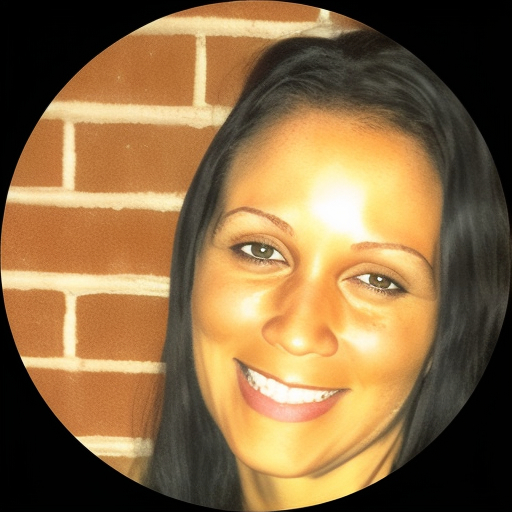
- 15 years experience
- Arizona LPC
- Depression and anxiety
About Vallerie
Dr. Vallerie Hancock is an Arizona Licensed Professional Counselor with 15 years of clinical experience. She helps people facing depression, anxiety, stress, relationship tension, and life transitions. She also supports those dealing with addiction, grief, trauma, and challenges around intimacy and self-esteem.
Her practice emphasizes practical steps and steady progress. She listens and helps clients name what matters most. Sessions focus on real skills to manage mood, handle conflict, and rebuild energy for daily life.
Vallerie uses a mix of approaches chosen to fit each person. She draws from Acceptance and Commitment Therapy, Cognitive Behavioral Therapy, Client-Centered work, and Solution-Focused techniques. Those methods are used to teach new ways of thinking, reduce unhelpful patterns, and set concrete goals.
She has particular experience supporting young adults, women, and first responders. That background informs how she addresses stress, social anxiety, mood disorders, and healing after difficult experiences. Her work also attends to issues like seasonal mood shifts and career concerns.
People can expect clear collaboration about goals and steps to take between sessions. The focus is on building self-compassion, strengthening coping skills, and finding purpose amid change. Dr. Vallerie Hancock aims to help people move from feeling stuck toward steady, manageable progress.
Her practice emphasizes practical steps and steady progress. She listens and helps clients name what matters most. Sessions focus on real skills to manage mood, handle conflict, and rebuild energy for daily life.
Vallerie uses a mix of approaches chosen to fit each person. She draws from Acceptance and Commitment Therapy, Cognitive Behavioral Therapy, Client-Centered work, and Solution-Focused techniques. Those methods are used to teach new ways of thinking, reduce unhelpful patterns, and set concrete goals.
She has particular experience supporting young adults, women, and first responders. That background informs how she addresses stress, social anxiety, mood disorders, and healing after difficult experiences. Her work also attends to issues like seasonal mood shifts and career concerns.
People can expect clear collaboration about goals and steps to take between sessions. The focus is on building self-compassion, strengthening coping skills, and finding purpose amid change. Dr. Vallerie Hancock aims to help people move from feeling stuck toward steady, manageable progress.
This summary is based on the profile information listed on BetterHelp.