- Client-centered approach
- CBT and DBT skills
- Focus on depression
About Rhonda
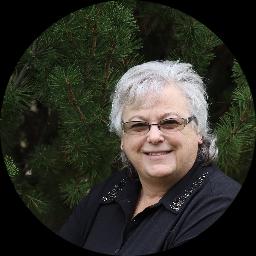
Rhonda Hinsperger is a Licensed Mental Health Counselor (LMHC) based in Washington. She brings 11 years of experience helping people cope with depression, anxiety, stress, and other life challenges. Her manner is calm and respectful, and she aims to create a warm, trusting space for people to talk through hard things.
Rhonda uses practical, individualized plans built around each person’s needs. She draws on Client-Centered Therapy to keep sessions focused on the person's goals and perspective. She also uses Cognitive Behavioral Therapy (CBT) and Dialectical Behavior Therapy (DBT) techniques to teach clear skills for managing mood, thoughts, and behavior.
Her background includes working with relationship and family concerns, parenting and custody issues, trauma and abuse, grief, and career or life transitions. She has experience addressing infidelity, jealousy, veteran and armed forces issues, and personality disorders as additional focus areas.
Sessions are collaborative and goal-oriented. Rhonda listens first, then helps people set small, practical steps toward change. She offers a flexible schedule to fit into everyday life and adapts plans as needs evolve.
If someone wants support with coping skills, improving relationships, or managing depression and stress, Rhonda will work with them to create a plan that fits their situation. She guides the process while centering the person's own priorities.
Rhonda uses practical, individualized plans built around each person’s needs. She draws on Client-Centered Therapy to keep sessions focused on the person's goals and perspective. She also uses Cognitive Behavioral Therapy (CBT) and Dialectical Behavior Therapy (DBT) techniques to teach clear skills for managing mood, thoughts, and behavior.
Her background includes working with relationship and family concerns, parenting and custody issues, trauma and abuse, grief, and career or life transitions. She has experience addressing infidelity, jealousy, veteran and armed forces issues, and personality disorders as additional focus areas.
Sessions are collaborative and goal-oriented. Rhonda listens first, then helps people set small, practical steps toward change. She offers a flexible schedule to fit into everyday life and adapts plans as needs evolve.
If someone wants support with coping skills, improving relationships, or managing depression and stress, Rhonda will work with them to create a plan that fits their situation. She guides the process while centering the person's own priorities.
This summary is based on the profile information listed on BetterHelp.