- Integrative approaches
- Multicultural experience
- Mental health focus
About Gary
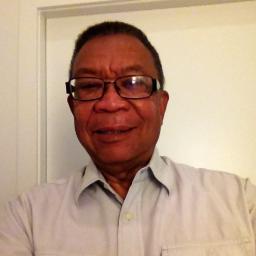
Gary Grant is an LMHC with five decades of experience in education, probation, and mental health practice. He works with individuals across many life stages and brings a long history of community-focused care. He supports people dealing with depression, anxiety, trauma, and relationship challenges with direct, down-to-earth guidance.
He began with client-centered ideas from Carl Rogers and later developed an integrative approach that draws on multiple methods. He uses strengths people already have and helps them build resilience. Much of his recent work included mindfulness training to support emotion regulation for people coping with PTSD, severe abuse, depression, and anxiety.
His background includes time working with Native American and Alaskan Native communities, and he has extensive experience with gay, lesbian, and bisexual clients and multicultural concerns. He has also worked in residential settings with adolescents, offering individual, group, and family sessions in a peer-oriented environment.
Grant holds a Bachelor of Arts in psychology and sociology, a Master of Education in guidance and counseling, and a Master of Fine Arts with coursework in group psychotherapy. He trained in clinical hypnotherapy and completed advanced clinical psychology coursework toward a PsyD. These varied experiences inform a practical, flexible approach in sessions.
In therapy, he often blends attachment-based thinking, client-centered conversation, cognitive tools, existential reflection, and hypnotherapy techniques when appropriate. Sessions focus on clear goals, everyday coping skills, and real steps to manage mood, relationships, and life changes.
He began with client-centered ideas from Carl Rogers and later developed an integrative approach that draws on multiple methods. He uses strengths people already have and helps them build resilience. Much of his recent work included mindfulness training to support emotion regulation for people coping with PTSD, severe abuse, depression, and anxiety.
His background includes time working with Native American and Alaskan Native communities, and he has extensive experience with gay, lesbian, and bisexual clients and multicultural concerns. He has also worked in residential settings with adolescents, offering individual, group, and family sessions in a peer-oriented environment.
Grant holds a Bachelor of Arts in psychology and sociology, a Master of Education in guidance and counseling, and a Master of Fine Arts with coursework in group psychotherapy. He trained in clinical hypnotherapy and completed advanced clinical psychology coursework toward a PsyD. These varied experiences inform a practical, flexible approach in sessions.
In therapy, he often blends attachment-based thinking, client-centered conversation, cognitive tools, existential reflection, and hypnotherapy techniques when appropriate. Sessions focus on clear goals, everyday coping skills, and real steps to manage mood, relationships, and life changes.
This summary is based on the profile information listed on BetterHelp.