- 50 years experience
- LCSW in CA and UT
- Focus on recovery
About Burton
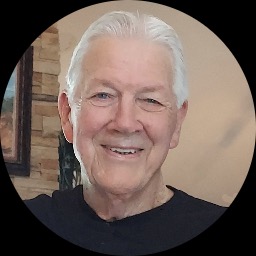
Burton "Burt" Swaim is a licensed clinical social worker with fifty years of experience. He helps people facing stress, anxiety, depression, addictions, grief, and relationship struggles. Burt emphasizes practical steps and clear goals to move toward a more satisfying life.
He creates a calm, nonjudgmental place for clients to talk about thoughts, feelings, and behaviors. Sessions focus on identifying strengths and resetting motivation. Burt stresses active client participation in setting goals and timelines for progress.
Many clients come for help with substance use and recovery, and he has worked on projects aimed at reducing stigma around addiction. He draws on that background when supporting people who want to rebuild confidence after loss or difficult life changes.
His work combines a person-centered way of listening with tools that challenge unhelpful thinking and explore life meaning. This mix helps people manage mood, change habits, and rebuild relationships. Burt also offers perspective shaped by long professional and life experience, which he uses as a supportive resource.
Sessions move at a practical pace with clear aims. He encourages small, achievable steps so progress feels real. To begin, prospective clients complete a short matching questionnaire and then schedule sessions based on the therapist's availability.
He creates a calm, nonjudgmental place for clients to talk about thoughts, feelings, and behaviors. Sessions focus on identifying strengths and resetting motivation. Burt stresses active client participation in setting goals and timelines for progress.
Many clients come for help with substance use and recovery, and he has worked on projects aimed at reducing stigma around addiction. He draws on that background when supporting people who want to rebuild confidence after loss or difficult life changes.
His work combines a person-centered way of listening with tools that challenge unhelpful thinking and explore life meaning. This mix helps people manage mood, change habits, and rebuild relationships. Burt also offers perspective shaped by long professional and life experience, which he uses as a supportive resource.
Sessions move at a practical pace with clear aims. He encourages small, achievable steps so progress feels real. To begin, prospective clients complete a short matching questionnaire and then schedule sessions based on the therapist's availability.
This summary is based on the profile information listed on BetterHelp.