- Goal oriented
- Skill building
- Compassionate
About Brian
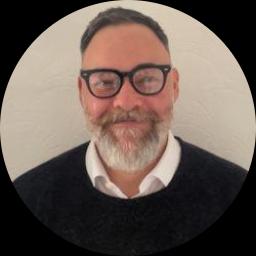
Brian Kees is a Licensed Professional Counselor (LPC) who helps people work through stress, anxiety, depression, and relationship concerns. He focuses on practical steps and clear goals so conversations lead to change. He keeps sessions direct and collaborative to help clients feel understood and make progress.
He uses approaches like cognitive behavioral therapy and mindfulness to help manage thoughts and reactions. He also draws on dialectical behavior therapy and motivational interviewing to build coping skills and increase motivation. Sessions include talk, skill practice, and planning for everyday moments.
Brian has eight years of experience and works with people facing addictions, grief, anger, and trauma-related issues. He also supports those dealing with intimacy struggles, self-esteem, bipolar mood challenges, and life transitions. He pays attention to communication patterns and problems that get in the way of relationships.
He often helps people dealing with isolation, impulsivity, control issues, and codependency. He also has experience addressing concerns related to alternative sexual cultures and men’s issues. Brian aims to create a steady, nonjudgmental space for exploration and problem-solving.
Clients can expect a practical focus on skills and small, measurable steps. Brian encourages regular check-ins on progress and adjusts the work to match each person’s goals. He practices in Texas and speaks English.
He uses approaches like cognitive behavioral therapy and mindfulness to help manage thoughts and reactions. He also draws on dialectical behavior therapy and motivational interviewing to build coping skills and increase motivation. Sessions include talk, skill practice, and planning for everyday moments.
Brian has eight years of experience and works with people facing addictions, grief, anger, and trauma-related issues. He also supports those dealing with intimacy struggles, self-esteem, bipolar mood challenges, and life transitions. He pays attention to communication patterns and problems that get in the way of relationships.
He often helps people dealing with isolation, impulsivity, control issues, and codependency. He also has experience addressing concerns related to alternative sexual cultures and men’s issues. Brian aims to create a steady, nonjudgmental space for exploration and problem-solving.
Clients can expect a practical focus on skills and small, measurable steps. Brian encourages regular check-ins on progress and adjusts the work to match each person’s goals. He practices in Texas and speaks English.
This summary is based on the profile information listed on BetterHelp.