- Client-centered care
- Practical coping skills
- Affirming approach
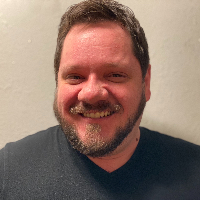
About Brandon
Brandon Bunker is a licensed counselor who helps people dealing with depression, anxiety, relationship struggles, and stress. He offers a calm, affirming presence for those facing identity questions, trauma, addiction, or parenting strain. Brandon talks with clients in plain language and aims to make therapy feel practical and understandable.
His work focuses on building better communication and stronger self-regard. He uses a client-centered stance to listen first, then introduces tools from cognitive behavioral therapy and Acceptance and Commitment Therapy. Those methods are combined with attention to attachment patterns and emotional experiences so people can heal old wounds and find clearer direction.
Brandon has 11 years of experience and holds LCMHC and LPC credentials. He draws on that experience when helping people move through life changes like divorce, career shifts, or caregiving strain. He also addresses complications from trauma, addictions, and intimacy-related concerns.
Sessions are offered in English and the practice is based in Utah. He works collaboratively, helping clients set goals and pick strategies that fit their daily lives. Brandon emphasizes straightforward steps clients can try between sessions to build momentum.
People who want a therapist who listens and offers practical next steps may find his approach useful. To begin, readers should use the platform Start Therapy process to match and schedule according to availability.
His work focuses on building better communication and stronger self-regard. He uses a client-centered stance to listen first, then introduces tools from cognitive behavioral therapy and Acceptance and Commitment Therapy. Those methods are combined with attention to attachment patterns and emotional experiences so people can heal old wounds and find clearer direction.
Brandon has 11 years of experience and holds LCMHC and LPC credentials. He draws on that experience when helping people move through life changes like divorce, career shifts, or caregiving strain. He also addresses complications from trauma, addictions, and intimacy-related concerns.
Sessions are offered in English and the practice is based in Utah. He works collaboratively, helping clients set goals and pick strategies that fit their daily lives. Brandon emphasizes straightforward steps clients can try between sessions to build momentum.
People who want a therapist who listens and offers practical next steps may find his approach useful. To begin, readers should use the platform Start Therapy process to match and schedule according to availability.
This summary is based on the profile information listed on BetterHelp.